
The Holistic Fertility Show
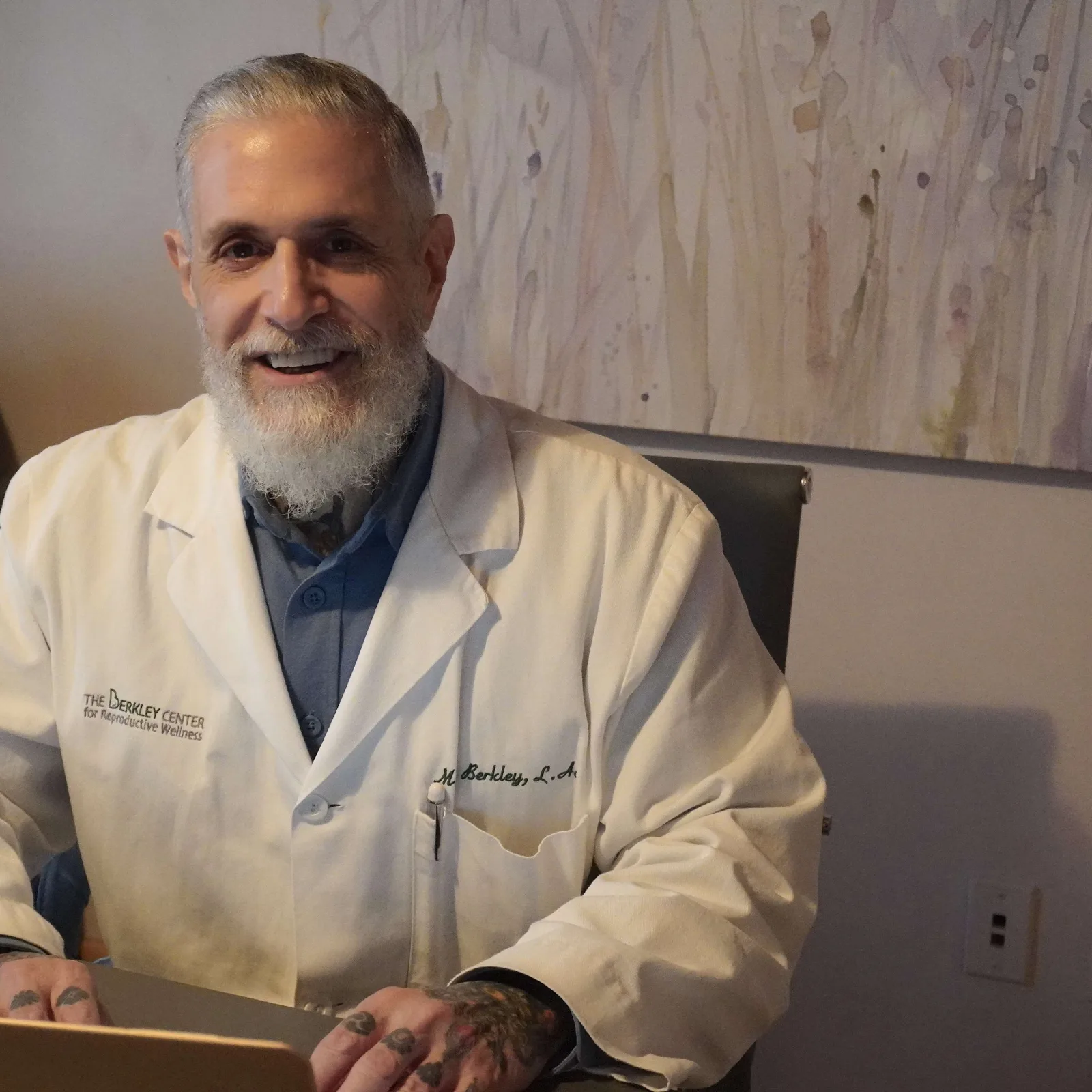
Mike Berkley
Our holistic fertility podcast explores natural and integrative approaches to fertility. Through expert interviews and thoughtful discussions, we aim to empower listeners with knowledge about optimizing reproductive health through lifestyle, nutrition, acupuncture, and other holistic practices.
Episodes
Implantation Failure? Help is Available!
We’re happy to respond to your emailed questions. Improving Uterine Health and Supporting Embryo Implantation with Acupuncture and Herbal MedicineA healthy uterus plays an important role in achieving and maintaining a pregnancy. Successful implantation depends on a receptive uterine lining, adequate blood flow, and a supportive hormonal environment. Acupuncture and customized herbal medicine help improve uterine circulation, support hormonal balance, and promote a healthier environment for embryo implantation. At The Berkley Center for Reproductive Wellness, we specialize in helping women optimize their reproductive health through personalized acupuncture and herbal medicine.Call 212-685-0985 to schedule your consultation in New York City.www.berkleycenter.comSupport the show
Acupuncture, Herbal Medicine & Advanced Maternal Age
We’re happy to respond to your emailed questions. Can Acupuncture and Herbal Medicine Improve Egg Quality and Help Prevent Miscarriage?As women age, egg quality naturally declines, making conception more challenging and increasing the risk of miscarriage. But age is only one part of the fertility equation. In this episode, we explore how acupuncture and customized herbal medicine may support reproductive health by influencing ovarian and uterine blood flow, hormonal regulation, and the environment in which eggs develop. We also discuss promising research on how these complementary treatments may support IVF outcomes and early pregnancy, while explaining their limitations, particularly when miscarriage is caused by chromosomal abnormalities. Whether you're trying to conceive naturally, preparing for IVF, or have experienced recurrent pregnancy loss, this episode offers valuable insights into an integrative approach to fertility. Subscribe to our podcast for expert discussions, reproductive medicine research, and practical information to help you on your journey toward a healthy pregnancy. To learn more about personalized fertility care, contact The Berkley Center for Reproductive Wellness in New York City at 212-685-0985 or visit www.berkleycenter.com.Support the show
Acupuncture & Herbal Medicine to Help Improve Your Sperm
We’re happy to respond to your emailed questions. Improving Sperm Quality Naturally with Acupuncture and Herbal MedicineMale infertility can result from low sperm count, poor motility, abnormal morphology, and elevated sperm DNA fragmentation. Acupuncture and customized herbal medicine may help improve these important sperm parameters by reducing oxidative stress, supporting healthy blood circulation to the testes, and promoting a healthier reproductive environment. Improved testicular circulation may enhance the delivery of oxygen, nutrients, and hormones essential for sperm production and maturation. Additionally, acupuncture and herbal medicine may help regulate inflammation and protect developing sperm from oxidative damage, potentially improving sperm quality and DNA integrity. Although preliminary studies suggest benefits, larger clinical trials are needed to confirm improvements in fertility and pregnancy outcomes. At The Berkley Center for Reproductive Wellness, we take an integrative, individualized approach to male reproductive health. Subscribe to our podcast to learn more about male infertility, sperm health, and how acupuncture and herbal medicine may support your fertility journey. Visit www.berkleycenter.com or call 212-685-0985 to schedule a consultation.Support the show
The Gut-Testis Axis: SIBO and Male Fertility Health
We’re happy to respond to your emailed questions. Small intestinal bacterial overgrowth (SIBO) occurs when excessive or abnormal bacteria build up in the small intestine, where relatively few bacteria should normally be present. This imbalance can interfere with digestion and the absorption of important nutrients, including vitamin B12, folate, iron, zinc, and other nutrients involved in healthy sperm production. SIBO may also contribute to increased intestinal inflammation and oxidative stress, which can potentially affect sperm count, movement, shape, and DNA integrity. For men experiencing infertility—particularly unexplained infertility or elevated sperm DNA fragmentation—digestive symptoms such as bloating, excessive gas, abdominal discomfort, diarrhea, or constipation may therefore deserve attention. Treating an underlying gastrointestinal problem such as SIBO may help improve nutritional status and reduce inflammatory and oxidative stress, creating a healthier biological environment for sperm development.Support the show
If you have PMOS...
We’re happy to respond to your emailed questions. For a patient with PCOS (polycystic ovary syndrome), myo-inositol may help improve insulin sensitivity, which can support more balanced hormone signaling and more regular ovulation. By improving the way the body responds to insulin, it may help lower excessive androgen activity, promote more predictable menstrual cycles, and support normal ovarian function and egg development. For women trying to conceive, these effects may improve the likelihood of ovulation and create a more favorable metabolic and hormonal environment for fertility.Support the show
How to approach unexplained infertility.
We’re happy to respond to your emailed questions. At The Berkley Center for Reproductive Wellness, unexplained infertility is approached by looking beyond standard fertility testing to identify factors that may be interfering with conception even when conventional results appear normal. Treatment is individualized and may combine fertility-focused acupuncture, customized herbal medicine, low-level light therapy, nutritional guidance, and targeted nutraceuticals. The goal is to optimize the reproductive environment by supporting ovarian and testicular function, improving blood flow to the ovaries and uterus, reducing excessive inflammation and oxidative stress, supporting healthy hormone function, and improving egg and sperm quality. Male-factor contributors, including sperm DNA fragmentation, are also considered because abnormalities may exist even when a routine semen analysis appears acceptable. By evaluating both partners and addressing potentially overlooked reproductive factors, The Berkley Center works to improve the conditions necessary for natural conception and to complement IUI or IVF when assisted reproduction is needed.Support the show
Targeted nutritional supplements to support sperm.
We’re happy to respond to your emailed questions. Targeted nutritional supplements may help support sperm count, motility, morphology, and DNA integrity by promoting healthy cellular energy production and reducing oxidative stress. Nutrients such as CoQ10, L-carnitine, omega-3 fatty acids, zinc, selenium, and vitamins C, D, and E are commonly used in male fertility programs. Purchase high-grade nutraceuticals from The Berkley Center’s Supplement Shop and receive 10% off.https://us.fullscript.com/welcome/mberkley1668106663Support the show
Acupuncture, low-level light therapy, & customized herbal medicine can improve egg quality.
We’re happy to respond to your emailed questions. Acupuncture, customized herbal medicine, and low-level light therapy support egg quality and improve the conditions needed for a healthy pregnancy by addressing several important aspects of reproductive health. Acupuncture enhances blood flow to the ovaries and uterus, helps regulate stress responses, and supports hormonal function; carefully selected herbal medicine provides antioxidant and anti-inflammatory support while addressing each patient’s individual reproductive needs; and low-level light therapy stimulates mitochondrial activity and energy production within ovarian cells. Together, these therapies help create a healthier environment for follicle development, fertilization, embryo implantation, and pregnancy. Be sure to subscribe!Support the show
The Propper Fertility Nutrition Plan
We’re happy to respond to your emailed questions. Eating well when trying to conceive helps create the healthiest possible environment for egg and sperm development, hormone regulation, ovulation, fertilization, and early pregnancy. A balanced diet emphasizing vegetables, fruits, whole grains, legumes, lean proteins, healthy fats, and low-mercury fish supplies the vitamins, minerals, antioxidants, protein, and essential fatty acids required for reproductive health. It can also support stable blood sugar, a healthy body weight, lower inflammation, and a more balanced gut microbiome—all of which may influence fertility. At the same time, limiting highly processed foods, excessive sugar, trans fats, processed meats, and excess alcohol may reduce metabolic and inflammatory stress. Good nutrition cannot guarantee pregnancy or correct every cause of infertility, but it is an important part of preparing both partners for conception and supporting a healthy pregnancy.Support the show
Dad's B12 & Folate Deficiency Can Lead to Birth Defects.
We’re happy to respond to your emailed questions. A father’s vitamin B12 and folate status may influence the health of a developing baby. Low levels around the time of conception have been associated with a higher risk of certain birth defects, possibly because these nutrients help produce healthy sperm, support normal DNA formation and repair, and regulate gene activity during early development. Men who are trying to conceive should eat foods rich in B12 and folate and ask their healthcare provider about blood testing and appropriate supplementation if a deficiency is suspected. Support the show
When IUI, IVF, or Donor Eggs Are Not Enough: The Potential Role of Acupuncture, Low-Level Light Therapy, and Customized Herbal Medicine
We’re happy to respond to your emailed questions. When IUI, IVF, or donor-egg treatment does not lead to pregnancy, patients may explore complementary therapies such as acupuncture, low-level light therapy, and customized herbal medicine as part of a fertility plan. These approaches reduce inflammation, improve impaired pelvic circulation, regulate hormones, improve endometrial receptivity, and improve egg or sperm quality. Acupuncture supports nervous-system regulation and blood flow; low-level light therapy promotes mitochondrial activity and cellular energy; and carefully customized herbal medicine may be used to address each patient’s specific reproductive needs. Support the show
Your Stomach Affects your Fertility
We’re happy to respond to your emailed questions. Gut dysbiosis—an unhealthy imbalance in the microorganisms living in the digestive tract—may contribute to fertility challenges by disrupting hormone metabolism, increasing inflammation, affecting insulin sensitivity, and altering immune-system regulation. Because gut bacteria help process estrogen, absorb nutrients, and maintain the intestinal barrier, an imbalance may influence ovulation, egg development, endometrial receptivity, and the environment needed for implantation. Dysbiosis has also been associated with conditions such as PCOS and endometriosis. Support the show
Acupuncture Pre & Post Embryo Transfer: Is it worth it?
We’re happy to respond to your emailed questions. This 2022 study looked back at 2,330 patients who had frozen embryo transfer (FET) at Vios Fertility Institute in Chicago between 2018 and 2021, comparing those who received individualized acupuncture just before and after their transfer.Support the show
Male Factor Infertility & How to Overcome It.
We’re happy to respond to your emailed questions. Sperm abnormalities can include low sperm concentration, poor motility, abnormal morphology, and increased DNA fragmentation, all of which can reduce the likelihood of natural conception and may also affect IVF outcomes. In men without a correctable genetic or structural problem, acupuncture may help improve the reproductive environment by supporting blood flow to the testes, reducing oxidative stress and inflammation, and influencing nervous-system and hormonal regulation involved in sperm production. Because sperm development takes roughly 2½ to 3 months, a consistent course of treatment over several months may improve semen parameters and contribute to healthier sperm and a better fertility outlook.Support the show
The Hidden Male Factor Contributing to Infertility
We’re happy to respond to your emailed questions. Sperm DNA fragmentation occurs when the genetic material inside sperm is damaged or broken. Even when a standard semen analysis shows normal sperm count, movement, and shape, high DNA fragmentation can reduce the sperm’s ability to fertilize an egg properly, impair embryo development, lower implantation potential, and increase the risk of early pregnancy loss. For this reason, sperm DNA fragmentation can be an important hidden contributor to unexplained infertility, particularly when routine male fertility testing appears normal.Support the show
Customized Herbal Medicine for Enhanced Ovarian and Uterine Health
We’re happy to respond to your emailed questions. Herbal medicine may support people facing fertility challenges by promoting healthy circulation to the ovaries and uterus, helping regulate menstrual and ovulatory patterns, supporting hormonal balance, and reducing oxidative stress and inflammation that can affect egg, sperm, and endometrial health. When prescribed by a qualified practitioner and coordinated with fertility treatment, individualized herbal formulas may help create a healthier reproductive environment and complement natural conception, IUI, or IVF care.Support the show
Endometriosis & Trying to Conceive?
We’re happy to respond to your emailed questions. Acupuncture and individualized herbal medicine may help patients with endometriosis conceive by reducing residual endometriosis-related inflammation and supporting healthier blood flow to the ovaries and uterus. Creating a less inflammatory reproductive environment may support better egg development and a more receptive uterine lining for implantation. These therapies can be used alongside natural conception, IUI, or IVF to support reproductive health, although they should complement—not replace—appropriate medical and fertility care.Support the show
GLP-1 and Pregnancy
We’re happy to respond to your emailed questions. GLP-1 medications such as Ozempic, Wegovy, and Mounjaro are generally not recommended during pregnancy because their effects on fetal development have not been adequately studied, and animal studies have raised safety concerns. Although limited human data have not yet demonstrated a clear increase in birth defects, the evidence remains insufficient to establish safety. Women planning pregnancy should consult their prescribing physician in advance; semaglutide, for example, should be discontinued at least two months before conception. Anyone who becomes pregnant while taking a GLP-1 medication should contact their physician promptly rather than stopping or changing treatment without medical guidance.Support the show
Inflammation is reducing your chances of conception.
We’re happy to respond to your emailed questions. Chronic inflammation can impair fertility in both women and men by creating an environment that disrupts normal reproductive function. In women, excessive inflammation may interfere with ovarian function, egg quality, ovulation, endometrial receptivity, implantation, and early pregnancy development. It is also associated with conditions such as endometriosis and polycystic ovary syndrome. In men, inflammation can increase oxidative stress within the reproductive tract, potentially damaging sperm membranes and DNA while reducing sperm concentration, motility, and normal morphology. Identifying and addressing underlying sources of inflammation—such as infection, metabolic dysfunction, autoimmune activity, poor nutrition, smoking, or chronic stress—may therefore be an important part of a comprehensive fertility evaluation and treatment plan.Support the show
The cellular energy crisis in infertile patients
We’re happy to respond to your emailed questions. Many women experiencing infertility may have a cellular energy deficit, particularly within the ovaries. Egg cells contain large numbers of mitochondria—the structures responsible for producing ATP, the energy required for follicular development, chromosome separation, fertilization, and early embryo growth. Aging, oxidative stress, inflammation, impaired blood flow, and metabolic dysfunction can reduce mitochondrial efficiency. As a result, eggs may lack sufficient energy to mature properly, divide accurately, or support embryonic development. Improving metabolic health, reducing oxidative stress, and supporting ovarian circulation may help create a healthier cellular environment for reproductive function.Support the show
Integrative Mechanisms and Clinical Protocols for Enhanced Reproductive Wellness
We’re happy to respond to your emailed questions. Integrative reproductive wellness combines conventional reproductive medicine with evidence-informed complementary approaches to support the physiologic environment required for conception. Clinical protocols may incorporate acupuncture, individualized nutrition, stress-reduction strategies, exercise, sleep optimization, and selected complementary therapies alongside fertility evaluation and assisted reproductive treatment. Proposed mechanisms include modulation of autonomic and neuroendocrine activity, improvement in pelvic and reproductive organ blood flow, reduction of excessive inflammatory and stress responses, and support for overall metabolic health. The strongest clinical approach is individualized and coordinated with reproductive endocrinology care, using complementary therapies to support—not replace—appropriate diagnostic testing and established fertility treatments. Support the show
The Berkley Distinction: Mastery in Integrative Reproductive Medicine
We’re happy to respond to your emailed questions. The expected outcomes can differ substantially between treatment delivered by a practitioner with limited training in reproductive medicine and one who has devoted a professional career to integrating Western reproductive medicine with acupuncture and Chinese herbal medicine. A minimally trained practitioner may be able to provide general acupuncture or herbal support, but may lack the depth of knowledge needed to interpret fertility testing, understand IVF medications and protocols, recognize complex reproductive disorders, or individualize treatment according to the patient’s diagnosis and stage of treatment. By contrast, a practitioner with extensive reproductive specialization can integrate Western diagnostic information with Chinese medical assessment, allowing acupuncture and herbal treatment to be more precisely tailored to conditions such as diminished ovarian reserve, PCOS, endometriosis, recurrent pregnancy loss, male-factor infertility, and IVF preparation. Although no practitioner can guarantee pregnancy, greater specialization may allow for more informed, coordinated, and individualized fertility care. Support the show
How Acupuncture & Herbal Medicine Enhance Egg and Sperm Quality.
We’re happy to respond to your emailed questions. Acupuncture and Chinese herbal medicine help support both egg and sperm quality by improving several aspects of reproductive health. Acupuncture has been studied for its potential to improve ovarian function and reproductive blood flow, while research in men suggests possible improvements in sperm concentration and motility. Chinese herbal medicine is traditionally individualized according to the patient’s reproductive and overall health. It may be used to support hormonal regulation, circulation, and the body’s response to oxidative stress and inflammation—factors that can influence the environment in which eggs and sperm develop. Support the show
How to Enhance Fertility Outcomes
We’re happy to respond to your emailed questions. Acupuncture and herbal medicine have been shown in multiple systematic reviews and meta-analyses of randomized controlled trials to support improved egg quality markers and higher pregnancy rates, particularly as adjuncts to assisted reproductive technologies. Acupuncture appears to enhance ovarian blood flow, regulate reproductive hormones (including reductions in elevated FSH and improvements in AMH and antral follicle count in some studies of diminished ovarian reserve), and increase the proportion of high-quality oocytes and embryos, while also promoting a more receptive endometrial environment. Chinese herbal medicine formulas, often customized to address underlying patterns of imbalance, have similarly been associated with better clinical pregnancy and live birth rates, improved ovulation, and supportive effects on oocyte quality through anti-inflammatory, antioxidant, and circulatory mechanisms. When used together or alongside IVF/IUI, these approaches have demonstrated statistically significant increases in clinical pregnancy rates (typically in the range of 18–30% relative improvement in pooled analyses) and live birth rates compared with control groups, with a favorable safety profile and no meaningful rise in adverse events.Support the show
How Chinese Herbs Improve Pregnancy Outcomes.
We’re happy to respond to your emailed questions. Herbal medicine may help support oocyte (egg) quality by improving the environment in which eggs develop during the months before ovulation. Certain herbal compounds have been studied for their potential antioxidant and anti-inflammatory effects, which may help protect developing eggs from oxidative stress—cellular damage that can interfere with normal egg maturation. Herbal medicine may also influence ovarian blood flow, hormone regulation, and cellular energy production, all of which are important for healthy follicle and egg development. Some preliminary studies have reported improvements in ovarian function, egg development, and pregnancy outcomes after herbal treatment, although the scientific evidence is still developing and results cannot be guaranteed. [1] [4] For this reason, fertility-focused herbal medicine is best viewed as a supportive approach and should be individualized and coordinated with appropriate medical care, especially during fertility treatment.🌐 Sourcesscirp.org - Oocyte quality improvement using a herbal medicine ...berkleycenter.com - Improving Egg Quality with Customized Herbal Medicine ...newsnetwork.mayoclinic.org - Home Remedies: Can herbs and supplements enhance ...pmc.ncbi.nlm.nih.gov - Female infertility and herbal medicine: An overview of the new ...naturalharmonyhealth.com - How to Improve Egg Quality: A Science-Backed Integrative ...journalofchinesemedicine.com - The egg factor: Using Chinese herbal medicine to improve ...Support the show
Can Your Immune System be Responsible for Fertility Challenges or Recurrent Miscarriage?
We’re happy to respond to your emailed questions. The immune system normally helps protect the body from infection while also adapting during pregnancy so that an embryo can implant and develop safely. In some women, however, the immune response may become overly active, poorly regulated, or autoimmune, creating inflammation or immune reactions that can interfere with implantation, placental development, or the body's ability to maintain a pregnancy. Researchers have investigated factors such as abnormal immune-cell activity, inflammatory cytokines, autoantibodies, and autoimmune disorders as possible contributors to recurrent pregnancy loss, although immune causes are complex and not responsible for every case. In patients with otherwise unexplained infertility or repeated miscarriages, a reproductive specialist may therefore consider whether an underlying autoimmune or inflammatory condition warrants further evaluation. Support the show
Failed IVF Cycles?
We’re happy to respond to your emailed questions. For patients whose previous IVF cycles failed due to poor egg quality, sperm quality, or a thin/unreceptive uterine lining, acupuncture offers a complementary approach that targets these specific physiological bottlenecks. Research shows that in women with previously failed cycles, adding acupuncture to IVF increased the clinical pregnancy rate by 60%, suggesting a meaningful benefit for exactly this population. The mechanism centers on improved blood flow: better circulation to the ovaries and uterus may support healthier follicular development and a thicker, more receptive endometrial lining, while improved pelvic and testicular blood flow benefits sperm parameters as well. Acupuncture may also help regulate stress hormones that can otherwise interfere with the hormonal balance needed for optimal egg maturation, sperm production, and implantation. For couples who've faced repeated setbacks tied to quality issues rather than procedural ones, this makes acupuncture a reasonable adjunct to try alongside conventional treatment, rather than a replacement for it.Support the show
Acupuncture pre & post embryo transfer. Why?
We’re happy to respond to your emailed questions. Welcome back to the show. Today we're diving into a question so many people navigating IVF ask: can acupuncture really make a difference around embryo transfer? Emerging research suggests timing matters — acupuncture performed before and after transfer has been shown to meaningfully improve IVF outcomes compared to no treatment at all.So today, we're unpacking the science, the philosophy, and what this practice might offer modern reproductive medicine.Support the show
Nurturing Early Pregnancy with Purposeful Integrative Care
We’re happy to respond to your emailed questions. The first weeks of pregnancy can bring tremendous joy, but for those who have experienced infertility, they may also bring uncertainty, heightened vigilance, and fear. In today’s episode, we explore how coordinated care between your fertility specialist, obstetrician, and complementary healthcare providers can create a safer and more reassuring transition into pregnancy. We’ll discuss medication and ultrasound monitoring, practical nutrition, stable blood sugar, and the potential supportive role of specialized acupuncture for stress and physical discomfort. We’ll also examine why realistic expectations matter, why herbal supplements should never be used without professional guidance, and which symptoms require immediate medical attention. Above all, this episode emphasizes that early pregnancy care should be responsive, individualized, and shaped by your personal reproductive history—not by generalized advice found online.Support the show
You can improve sperm motility.
We’re happy to respond to your emailed questions. Acupuncture may help improve sperm motility—the ability of sperm to swim efficiently toward an egg—by supporting healthy blood flow, reducing stress, and promoting a more favorable environment for sperm production. Please support our show. Thanks!Support the show
Acupuncture reduces miscarriage.
We’re happy to respond to your emailed questions. Acupuncture may support early pregnancy by improving hemodynamics—the movement of blood through the uterine and placental circulation. Better uterine blood flow may enhance delivery of oxygen, hormones, and nutrients to the developing embryo while supporting endometrial receptivity and placental development. Acupuncture may also reduce excessive vascular resistance and stress-related sympathetic activity, potentially promoting a more stable uterine environment. Schedule your consultation at 212-685-0985.Support the show
Can customized herbal medicine increase your odds of conception?
We’re happy to respond to your emailed questions. Customized herbal medicine may support fertility by addressing each patient’s individual menstrual, hormonal, circulatory, and inflammatory patterns rather than relying on a one-size-fits-all formula. Treatment often improves egg and sperm quality, supports ovarian and uterine function, and creates a healthier environment for conception. Herbs have also been shown to help reduce miscarriage.Schedule your personalized fertility consultation today at 212-685-0985.Support the show
Why Did Your IVF Cycle Fail?
We’re happy to respond to your emailed questions. Reactive oxygen species, or ROS, are unstable molecules naturally produced by the body. In small amounts, they support normal cell function, but when they accumulate faster than the body can neutralize them, they create oxidative stress. This can damage the DNA, membranes, and mitochondria of eggs and sperm, potentially reducing egg quality, sperm motility, embryo development, implantation, and overall fertility. [1] [5] Acupuncture and customized herbal medicine may be used alongside conventional fertility care to support circulation, stress regulation, inflammation control, and the body’s antioxidant defenses. Herbal formulas can be individualized according to a patient’s health history, medications, fertility diagnosis, and treatment cycle. Support the show
Can nutritional changes improve your fertility outcome?
We’re happy to respond to your emailed questions. Eating the right foods improves fertility outcomes by reducing inflammation, balancing hormones, and protecting eggs and sperm from oxidative stress. Nutrient-rich choices like fatty fish (omega-3s), colorful fruits and vegetables (antioxidants), nuts, seeds, and whole grains support mitochondrial energy in eggs, stabilize blood sugar (key for PCOS), aid estrogen metabolism (helpful for endometriosis), and boost sperm count, motility, and DNA quality. Research on Mediterranean-style diets shows better ovulation, embryo quality, implantation, and higher pregnancy/live birth rates—naturally or with IVF. At The Berkley Center for Reproductive Wellness, we create personalized nutrition plans to help you conceive. Call 212-685-0985.Support the show
Egg quality is one of the most important components of fertility success. What can be done to improve it?
We’re happy to respond to your emailed questions. Egg quality is one of the most important components of fertility success because the egg provides much of the cellular machinery needed for fertilization, early embryo development, and implantation. Without a healthy, competent egg, conception cannot occur, even when sperm is present. Age is one of the strongest influences on egg quality, but lifestyle, underlying medical conditions, and reproductive health all play meaningful roles as well. A quality egg joined with quality sperm creates the foundation for a quality embryo; embryo quality reflects contributions from both partners, not just the egg alone. Research also shows that poorer semen quality can negatively affect embryo development, reinforcing that optimal fertility depends on both egg and sperm health. In short, healthy eggs plus healthy sperm create the best chance for a strong embryo and a successful pregnancy.Support the show
Platelet Rich Plasma (PRP) - Does it work?
We’re happy to respond to your emailed questions. In reproductive medicine, platelet-rich plasma, or PRP, is an emerging treatment that uses a patient’s own blood to concentrate platelets and growth factors that may help support tissue repair and regeneration. In fertility care, PRP may be placed into the ovaries to stimulate ovarian activity, supporting follicular growth, but NOT improving pregnancy outcomes. Beware of profit-generating 'ad-ons.'Support the show
Can Acupuncture Help the PCOS Patient Conceive?
We’re happy to respond to your emailed questions. Acupuncture offers promising support for women with PCOS who are trying to conceive. By helping to regulate hormonal imbalances, promote regular ovulation, and improve blood flow to the ovaries and uterus, acupuncture can address key challenges like irregular cycles, elevated androgens, and insulin resistance that often delay fertility in PCOS patients. Clinical experience and studies suggest it may reduce inflammation, lower stress (which impacts the HPO axis), and enhance overall reproductive function—potentially helping patients ovulate more predictably and conceive sooner, often in conjunction with conventional treatments like IVF or IUI.To learn if acupuncture could help accelerate your path to pregnancy, schedule your consultation today at 212-685-0985. To find out more, visit www.berkleycenter.com.Support the show
Your egg quality can be improved and you can get and stay pregnant. DON'T LOSE HOPE!
We’re happy to respond to your emailed questions. A Truth No One Wants to HearIf you are a woman in your mid-to-late thirties or forties who is trying to conceive, you have likely been told that your age is working against you. Maybe a doctor checked your bloodwork, reviewed an ultrasound, and delivered the news in the clinical shorthand that can feel so cold: "Your ovarian reserve is low." Or: "Your egg quality isn't what it used to be."What those words rarely come with is an explanation — a plain-English account of what is actually happening inside your body, and what, if anything, you can do about it.Support the show
Can acupuncture improve IVF outcomes?
We’re happy to respond to your emailed questions. Acupuncture may help improve IVF outcomes by supporting healthy blood flow to the uterus and ovaries, reducing stress, and helping create a more receptive environment for implantation. Research and clinical fertility practices suggest that acupuncture may support egg quality, sperm quality, endometrial thickness, and overall IVF success when used as part of a comprehensive reproductive wellness plan. Schedule your consultation today at 212-685-0985. Find out more at www.berkleycenter.com. Support the show
Do you have PCOS? Trying to conceive? Listen to this!
We’re happy to respond to your emailed questions. For women with PCOS trying to conceive, N-Acetyl Cysteine (NAC) offers meaningful supportive benefits as part of an integrative fertility approach. This antioxidant supplement works by replenishing glutathione, the body’s master antioxidant, helping to reduce oxidative stress that can impair egg quality, mitochondrial function, and overall reproductive health. NAC also supports improved insulin sensitivity—a key factor often disrupted in PCOS—which can promote more balanced hormones, regular ovulation, and a healthier metabolic environment for conception. Clinical research has shown NAC may enhance ovulation rates and pregnancy outcomes, especially when combined with other treatments, making it a valuable tool for patients seeking to optimize their fertility naturally and effectively.Schedule a consultation at 212-685-0985. Find out more at www.berkleycenter.com.Support the show
How Many Fertility Patients are Using Acupuncture as Part of Their Protocol?
We’re happy to respond to your emailed questions. In the United States, acupuncture is one of the most commonly used complementary therapies among infertility patients undergoing IVF. Published estimates suggest that 8% to 47% of couples add acupuncture to their IVF cycles, showing that use varies widely depending on the clinic, patient population, and local access to fertility-focused acupuncture care. In broader infertility populations, one study found that after 18 months, 29 of the couples had used some form of complementary and alternative medicine, with 22% trying acupuncture and 17% trying herbal therapy. This tells us that a meaningful number of fertility patients are looking beyond standard medical care and adding acupuncture for support during IVF. If you find this information helpful, please support our channel—like, subscribe, and share so we can keep bringing you evidence-based fertility education.Support the show
Can egg/embryo quality be improved?
We’re happy to respond to your emailed questions. Research suggests that acupuncture may play a meaningful role in supporting egg and embryo quality, particularly for women undergoing fertility treatments. Studies have shown that acupuncture can improve blood flow to the ovaries, which enhances the delivery of oxygen and nutrients to developing follicles — a key factor in egg health. A 2020 review published in Frontiers in Endocrinology found that acupuncture helped regulate reproductive hormones, including FSH, LH, and estradiol, contributing to better follicular development and higher-quality oocytes. Additional research points to acupuncture's ability to reduce oxidative stress and inflammation, both of which are known to compromise egg and embryo quality. For women with diminished ovarian reserve or recurrent implantation failure, these effects may translate to improved IVF outcomes, including higher fertilization rates and more viable embryos. If you found this helpful, please take a moment to subscribe — it's the best way to support the show and make sure you never miss an episode.Support the show
Male Infertility: Varicoceles, Sperm DNA fragmentation, Poor Sperm Parameters...What can be done?
We’re happy to respond to your emailed questions. Male factor infertility contributes to approximately 40-50% of all conception challenges and frequently involves issues such as low sperm count, reduced motility, abnormal morphology, or elevated DNA fragmentation that can impair fertilization and embryo development. At The Berkley Center for Reproductive Wellness in New York City, we successfully address these concerns with a personalized integrative approach grounded in over 27 years of clinical experience and our founder’s own journey overcoming male factor infertility. Our protocols combine targeted acupuncture and customized herbal medicine to improve blood flow to the reproductive organs, reduce oxidative stress, and support hormonal balance with customized herbal formulas and evidence-based nutritional support—including antioxidants like CoQ10 and glutathione—to optimize mitochondrial function and sperm quality across the natural 90-day sperm regeneration cycle. Many patients experience meaningful improvements in semen parameters, often leading to successful natural conception or significantly enhanced outcomes with IVF and IUI. If you or your partner are facing male factor challenges, we’re here to help you move forward with hope and proven strategies—visit berkleycenter.com to learn more. To support our show and help spread this message to others who need it, please subscribe, leave a rating or review, and share it with friends or family on a similar path.Support the show
Having an Embryo Transfer? Worried about an ectopic pregnancy? You should be.
We’re happy to respond to your emailed questions. Ectopic pregnancy occurs when an embryo implants outside the uterus, most commonly in the fallopian tube. In the general, non-IVF population, ectopic pregnancy is typically reported at about 1–2% of pregnancies. In IVF pregnancies, studies and fertility sources report ranges from about 1.4% to 5.4%. Learn how you can avoid this!Please support our show by subscribing, sharing this episode, and helping us reach more people who need clear, compassionate fertility education. Support the show
Why miscarriage often comes down to oxygen!
We’re happy to respond to your emailed questions. Today, we're diving into a topic that might surprise you but could be a game-changer for many: oxygen deficiency as a hidden contributor to miscarriage. You might be wondering – what does oxygen have to do with holding onto a pregnancy?If you haven't already, hit that Support the Show button right now. Your support keeps this show going – thank you!Support the show
Supporting the Energy and Quality of Your Eggs/Embryos
We’re happy to respond to your emailed questions. As women age, the tiny energy centers inside the eggs—called mitochondria—begin to function less efficiently. Because eggs require tremendous energy to mature properly, divide correctly, and support early embryo development, this decline can lead to poorer egg quality, fewer healthy embryos, and greater difficulty conceiving. Fertility naturally decreases with age, and markers such as AMH may also decline over time, reflecting changes in ovarian reserve and reproductive potential. But there is help: targeted lifestyle changes, nutrition, acupuncture, herbal medicine, and supportive reproductive care may help improve the body’s internal environment and support better outcomes. To keep learning how to improve fertility naturally and integratively, please support the show—subscribe, share, leave a review, and help us reach more people on their fertility journey.Support the show
Phone Consults Now Available
We’re happy to respond to your emailed questions. The Berkley Center for Reproductive Wellness is a New York City–based complementary medicine fertility clinic specializing in supportive care for individuals and couples facing reproductive challenges. Now offering phone consultations worldwide, the center makes its fertility-focused guidance accessible to patients beyond New York, helping them explore integrative support options such as acupuncture-informed care, reproductive wellness planning, and complementary approaches alongside their medical fertility treatment.www.berkleycenter.comSupport the show
The new reproductive medicine paradigm: Acupuncture, herbs and IVF
We’re happy to respond to your emailed questions. Welcome to the Fertility Hope Podcast, where we explore real solutions for building the family of your dreams. I’m your host, Mike Berkley, L.Ac., FABORM, founder and director of The Berkley Center for Reproductive Wellness in New York City. For over 28 years, I’ve been helping individuals and couples overcome fertility challenges using the best of both Eastern and Western medicine.Today, we’re diving into one of the most exciting developments in reproductive health: the new paradigm of combining acupuncture and customized herbal medicine with IVF. This integrative approach is helping more patients achieve higher success rates, better egg and sperm quality, thicker endometrial linings, reduced inflammation, and lower miscarriage risk — all while supporting your body and mind through the emotional journey of treatment.Whether you’re preparing for your first IVF cycle or have experienced previous challenges, this powerful combination is changing outcomes for the better. In this episode, we’ll break down the science, share clinical insights, and give you practical steps you can use right away.If you’re ready to explore how acupuncture and herbal medicine can support your IVF journey and help you have a baby, visit us at www.berkleycenter.com to schedule a consultation today. Our team is here to create a personalized plan that works alongside your reproductive endocrinologist for the best possible results.Support the show
You Only Have Three Months to Improve Egg or Sperm Quality
We’re happy to respond to your emailed questions. The quality of your eggs and sperm is not fixed — it can be significantly improved, but the biological timeline is strict. Sperm take approximately 74 days (about three months) to fully develop from precursor cells to mature sperm ready for ejaculation. Eggs, while present from birth, undergo a critical maturation process in the months leading up to ovulation. This means the lifestyle, nutritional, and therapeutic choices you make today directly impact the gametes that will be used in your next conception attempt roughly 90 days from now.That’s why the most effective integrative fertility protocols focus on this precise three-month window. Acupuncture, customized herbal medicine, low-level light therapy, targeted supplements, and stress reduction work together to enhance blood flow, reduce oxidative stress, support mitochondrial health, balance hormones, and optimize egg and sperm parameters (count, motility, morphology, and DNA integrity) — giving you the best chance for a healthy pregnancy, whether naturally or with IVF/IUI.Ready to make the most of your next three months?Schedule a consultation today at www.berkleycenter.com and take the first step toward improving your fertility potential.Support the show
Is Inflammation Causing Your Fertility Challenge?
We’re happy to respond to your emailed questions. Welcome to The Holistic Fertility Show. Today we’re talking about inflammation—one of the hidden factors that may interfere with fertility, implantation, egg quality, sperm health, and healthy pregnancy outcomes.Inflammation can be associated with conditions such as endometriosis, PCOS, recurrent pregnancy loss, failed IVF cycles, and unexplained infertility. At The Berkley Center, we take an integrative approach, using acupuncture and customized herbal medicine to help support circulation, calm inflammatory patterns, reduce stress, and create a healthier reproductive environment. For patients going through IVF, trying naturally, or recovering after failed cycles, acupuncture and herbal medicine may help address underlying imbalances that standard treatment may not fully target. To learn how this approach may support your fertility journey, schedule a consultation at www.berkleycenter.com.Support the show